Building
Authenticity
Creating
an Atmosphere Where You Talk About What Matters
By Tony
Stoltzfus
A
couple days ago I had another one of those “I’ve never told anyone this before
but” conversations while chatting with someone at a church function. I think it
was a life-changing moment for the individual I was talking to.
How
often do you experience that kind of transparency in your life? If you want
more depth and effectiveness in your coaching conversations, here are some
tools for becoming the kind of person people naturally open up to.
The Two
Paradigms of Authenticity
Your
understanding of how transparency happens is a crucial starting point. There
are two main ways authentic relationships develop: I call them the Trust Paradigm and the Agape Paradigm. In the trust paradigm,
our fundamental belief is that we can be authentic with people that we know we
can trust. Our relationships grow slowly over time: we take a little risk, we
wait for the other person to respond well and risk a little openness in turn,
and gradually over the months or years our relationship can become deeply rich,
satisfying and open.
The
problem with the trust paradigm is that is basically a self-protective posture:
we want authentic relationships, but we are afraid we will get hurt or rejected
or have what we share blabbed all over town. So we guard our hearts by being
careful what we share and with whom. When we meet someone new or start a new
coaching relationship, we are guarded and so are they. Consequently,
relationships take a long time to develop, and casual conversations rarely go
deep. Because safety comes from being careful whom we share with, really
opening our hearts to others is a risky business.
There’s
a road less traveled that can take us to the depths of authenticity much more
quickly. I call it the agape (or “love”) paradigm. The fundamental belief of
this paradigm is that authenticity is a gift we can freely give because our
security is taken care of by Christ, and we don’t need to protect ourselves. The
idea of agape is that it is a gift that asks for nothing in return. We simply
make the decision to live authentic lives, to go deep quickly, to be the one
who goes their first to open the door for others to be honest, too. Our focus
moves from getting authenticity and protecting our hearts to giving the gift of
authenticity and putting our hearts in Christ’s hands.
In
practice, it means that we regularly take big relational risks and go deep
quickly. We open up to others first, in appropriate ways, because when one
person takes the risk to trust, usually the other person is quick to follow.
When you live out of the agape paradigm, you become a leader in authenticity, a
catalyst who helps everyone around you (this works in groups as well as
one-on-one) to develop more meaningful relationships.
The Secret
of Transparency
The
secret of getting others to open up to you is very simple: you open up to them
first. When you cultivate the discipline of living a transparent life, two
important things happen:
1. No one has
to take a risk to be authentic with you, because you are always taking the risk
first. Your authenticity and unilateral trust toward them removes the trust
barrier and allows them to freely open up to you.
2. Over time,
you become comfortable and proficient at functioning in the place of
authenticity. It feels natural to you, you are at home there, and when you
invite others into it they feel at home as well. If it feels awkward or
embarrassing to you to open up to others, that’s the message they’ll receive when
they try to open up to you: “this is awkward and embarrassing. I shouldn’t go
here.” I can’t overstate this: the more you live an appropriately authentic
life, the more people will be attracted to you and open up spontaneously to
you.
Coaching
Tools
As
a coach, your ability to help people go quickly to a deep level is crucial. If
you are talking about surface issues, you’ll generate surface solutions and
have a surface impact. Transformation only happens when you are talking about
what people really care about.
Here
are (briefly) some exercises for developing the habit of authenticity in your
own life:
1.
Practice Going
Deeper
Can you find one opportunity each week to open up to someone at a deeper level?
Do it in an appropriate way, but push yourself to be more honest and take
bigger risks than you are used to. Develop your relational-risk-taking muscle!
For instance, when was the last time you were really honest with your kids
about your feelings?
2.
Deepen Your
Listening
Push yourself to really pay attention when people speak. Make it your goal that
when anyone talks to you, you treat them like they are the only person in the
world (they have your full and undivided attention.)
3.
Cultivate
Asking Deeper Questions
Many
everyday conversations can go deeper if you are ready with a significant
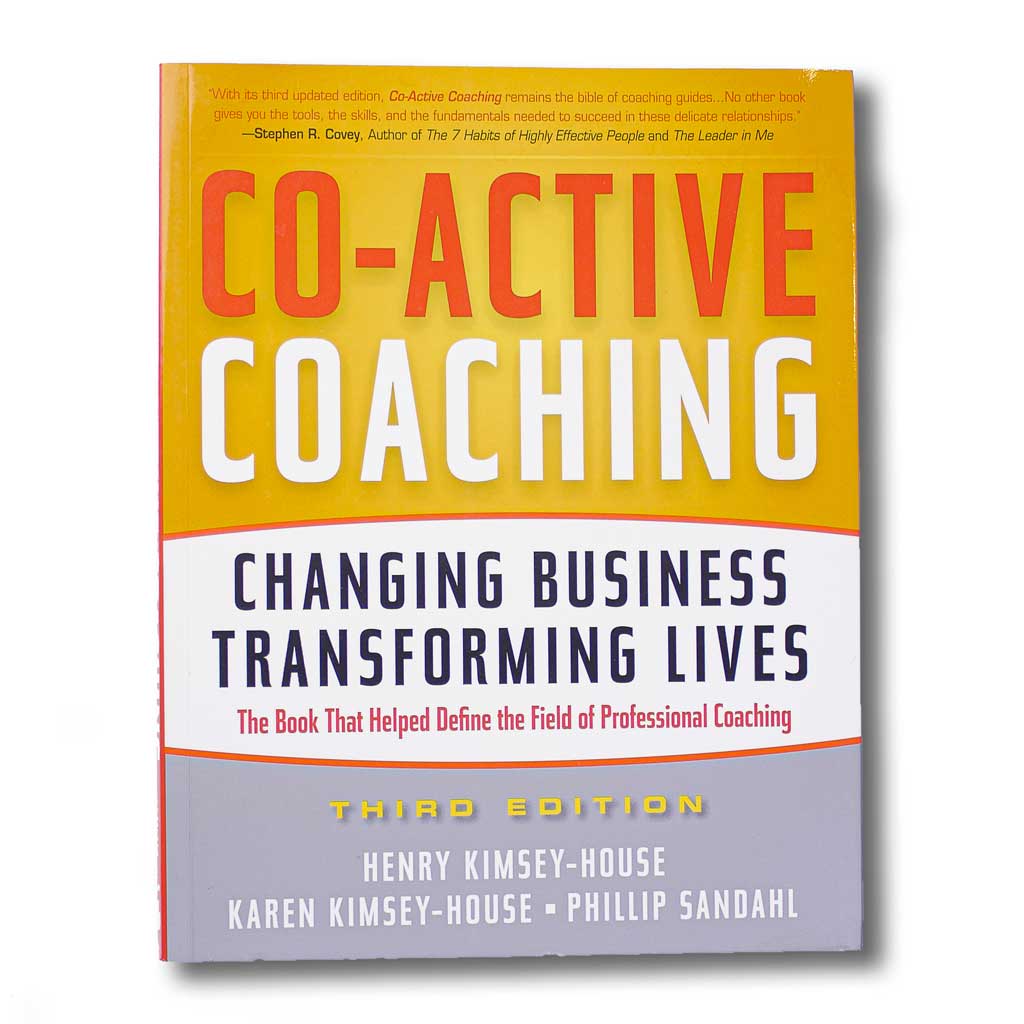
question. Books like Asking to Win or Leadership Coaching
have great lists of conversation starters. Learn to go beyond asking about
people's jobs or their kids to what is going on in their hearts.
4.
Meet Jesus
as Your Healer
It is tough to risk open up to others when you have a bunch of unresolved or
partially resolved hurts from your past. Remember: your ability to open up
unilaterally to others is dependent on the depth of your first-hand experience
with Jesus healing your relational wounds. Take an inventory: where is the
relational pain in your life? Take it to prayer and ask for an experience of
meeting Jesus where you’ve been hurt. Theophostic counseling is a great way to
do this.