Tips
for Training Coaches in Your Church
by Tony Stoltzfus
There's a lot of interest in training
staff or lay leaders in coaching skills in a church setting. There are also a
lot of churches that haven't seen much in the way of results for their efforts to
teach coaching. I believe certain skills in the coaching approach (listening,
drawing people out, and pursuing their hearts) are absolutely vital and
transformational for the church in this generation, but to access the power of
coaching we need to make some changes in how we try to reproduce it.
Here are some of the top problems in local
church coach training, along with keys to solving those problems and making
your coach training successful:
1. Teaching vs. Training
One of the biggest paradigm shifts and
behavior changes you need to make to coach is to get out of the telling mode.
Unfortunately, in church settings, our first instinct when we want people to
learn something (even coaching) is to teach on it. So we sit our audience down
in rows and start telling them not to
tell--in other words, we are literally saying, "Do as I say, not as I
do." That doesn't work so well.
Solution:
Train the Way You Coach
Instead, use demonstration and debriefing
to present coaching concepts instead of relying exclusively (or even mostly) on
teaching. Then people discover the coaching paradigm through what they see, and
own it. You are modeling coaching as you train, and training the way you want
people to coach. I like to shoot for under 15% of the time in a training
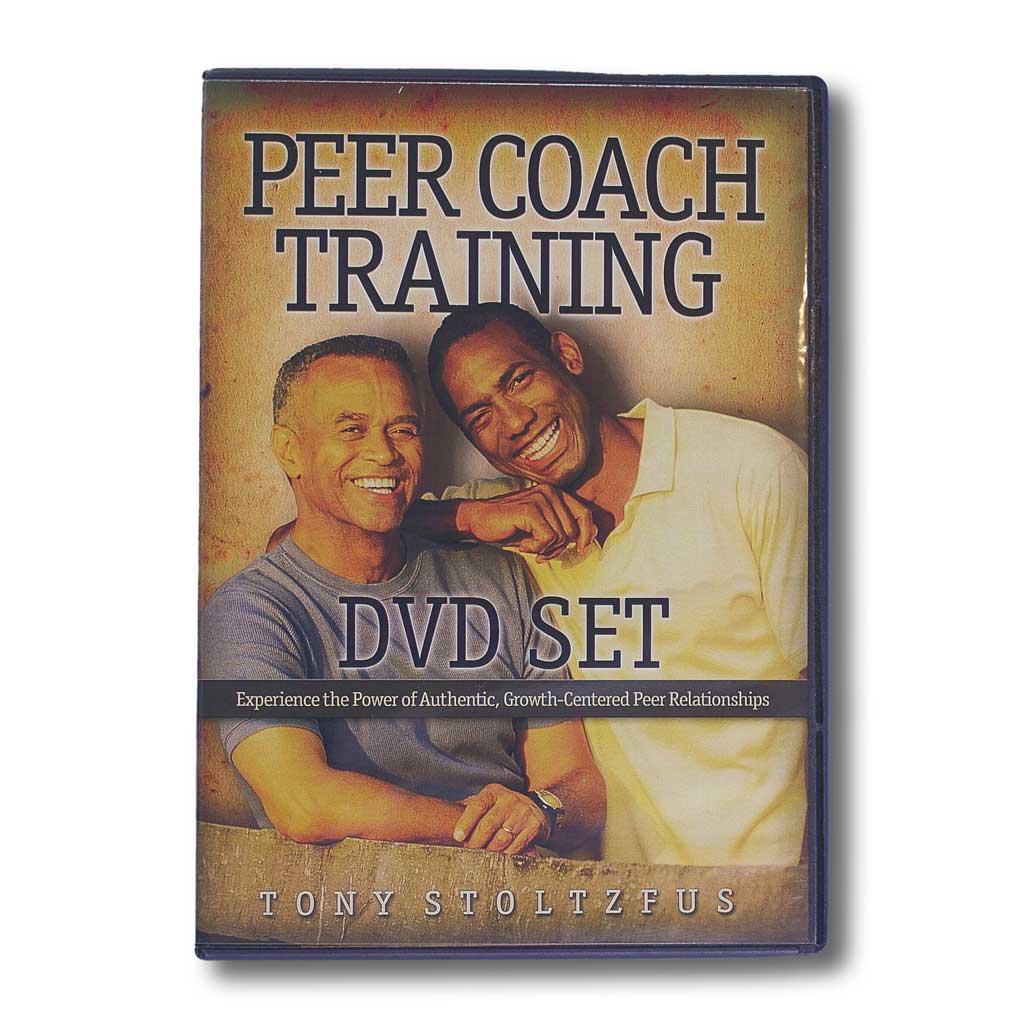
session being input, with the rest split between demonstration and practice. The Peer Coaching DVD Set
contains some great examples you can use in your setting.
2. Event vs. Long-Term Training
Logistically, the easiest way to offer
training in a church is to do it as an event: set up a weekend workshop, bring
in a speaker, and recruit people to come for half a day or a day. The challenge
with this approach is that learning to coach is about changing deeply ingrained
conversational habits--and habit change only comes by repetition over time.
There are plenty of studies and statistics that show that events without
follow-up lead to little actual change in people's behavior.
Solution:
Train Over Time
Events are a great way to get
started--just plan to follow them up immediately with opportunities for
feedback and reinforcement. For instance, do the workshop, but schedule an
8-week class starting the next week where people can practice what they've learned.
The Getting Started in
Leadership Coaching outlines offered free in this newsletter are one
great way to do it.
3. Immediate vs. Long Term Results
It can be easy to fall into the track of
sacrificing long term transformation for short term results. I've worked with a
number of churches who've tried to roll out a big coaching structure as soon as
possible and then had to go back to the drawing board and start all over again.
Pressure from the Senior- or Executive Pastor to get a structure going in a
short time-frame is usually counterproductive. So is starting on a large scale
with so-so motivation. One thing you must understand about
coaching: it is totally based on internal motivation, so it will not work with half-hearted people.
Solution:
Train a Pilot Group
I'm a big fan of starting with a small,
highly-motivated group, showing measureable results, and then allowing the
enthusiasm of the early adopters to infect the larger group. The most
successful coaching implementations I've seen start with only a portion of the
people the organization wants to train. If you have 25 people you are targeting
for coach training, start with the 8 who really want it. You'll have a much
easier time picking up the others in a second round. It's counter-intuitive,
but one of the greatest mistakes churches make in coach training is to try to
get everyone involved.
4. Training for Understanding vs. Training
for Motor Skills
Imagine you want to an all-day teaching
seminar on free-throw shooting. At the end of the day would you be any better?
No--because your performance isn't based on knowing how to shoot a basketball,
it's based on the motor skills you've developed through repetitive practice. Coaching
is the same way: to be good at it, you've got to get the reps. Unfortunately,
most church coaching systems are not designed with this truth in mind. We train
church-planting pastors to coach one or two other planters on the side, or lay
leaders to use coaching skills occasionally within another, primary role.
Nobody ever gets enough practice to really excel.
Solution:
Train Called Coaches
Ten lay coaches, each coaching five other
leaders in role where their primary responsibility is to coach, will be much more effective than 25
coaches who only coach two others each. Find the people in your church who are
passionate about helping others grow, and have an aptitude for it, and invest
more of your training resources over a longer time in that smaller group.
Create roles for them where coaching is what they do, not where coaching is a
piece of something else. Have them coach each other (the best way to stay sharp
as a coach is to coach another coach!) Only with this kind of focus will your
coaches learn the motor skills to coach instinctively. In the same way that
transcendent athletes can forget the mechanics and just play, coaches who get
enough practice experience a quantum leap in effectiveness.
Tony Stoltzfus is a
long-time coach, trainer, author and co-founder of a large Christian coach
training school. His personal coaching site is http://www.CoachingPastors.com